A cruel decision: Michael Clarke delays, pays
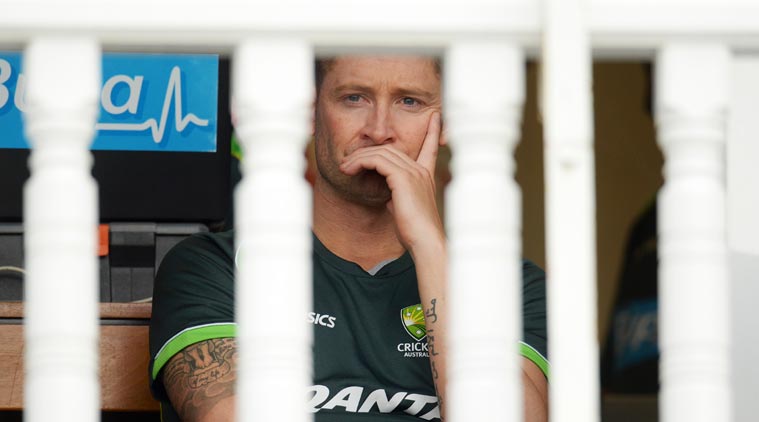 Michael Clarke announced his retirement from international cricket after Australia lost the Ashes in record time. (Source: Reuters)
Michael Clarke was not a great cricketer. A below 50 (49.30) Test average doesn’t put him among batting elites. But with 8,628 runs and 28 centuries in 114 Test matches he was a fine cricketer who flirted with greatness.
In the end, Clarke paid for his poor sense of timing. The evening of March 29, 2015 had presented him with a perfect opportunity to saunter into a golden sunset. The Aussies had just won the ODI World Cup under his leadership and a farewell speech at the MCG would have been part of the Australian cricket folklore. Clarke decided to drag on, inviting trouble in the process.

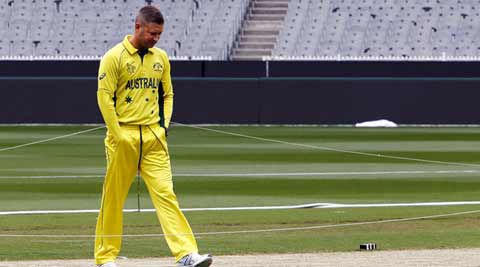 Michael Clarke to quit ODI cricket after World Cup final
 World Cup 2015: Michael Clarke should leave ODI captaincy after World Cup, says Ricky Ponting
 Injured Michael Clarke named in Australia's World Cup 2015 squad
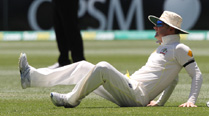 India tour of Australia: Injured Michael Clarke expects to miss rest of the Tests
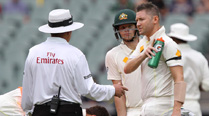 India tour of Australia: Michael Clarke receives pain-killing injections, returns from injury to bat
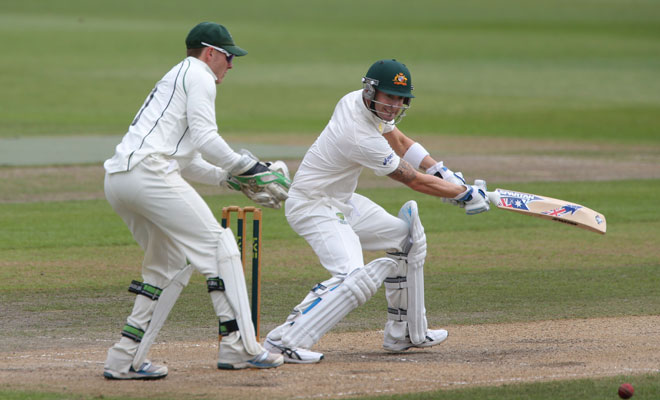 The Ashes: Michael Clarke leads from front
There has always been a touch of arrogance in Clarke’s personality and cricket. It prevented him from reading the writing on the wall. He had been limping since last winter when a hamstring injury forced him out of the Test series against India and put a serious question mark over his World Cup participation. He showed enough resolve to be fit for the showpiece event, but at 34 years of age, he couldn’t summon his old game.
He realised that a little too late and the damage was done; Australia surrendered the Ashes in record time. The team’s failure revolved around their captain’s poor form. In fact, he had been contributing very little with the bat over the last 12 months, reaching 25 on only six occasions in his last 30 Test innings. .
Clarke had arrived on the scene with huge reputation and lived up to it scoring a brilliant hundred in Bangalore on his debut. As he moved into the nineties, he took off helmet and wore the baggy green. He wanted to get there with the coveted cap. It was cricket at its romantic best. He was also one of those rare individuals who snubbed the IPL to concentrate on Test cricket. From his cricket to the way he showed the way after his “little brother” Phil Hughes’ death – Clarke’s approach has always been a throwback to an earlier era.
How was he as a cricketer? Perhaps the best player of spin bowling of his generation but a little susceptible against serious pace. At his best, his batting was grace personified. At the end, his departure was cruel.


